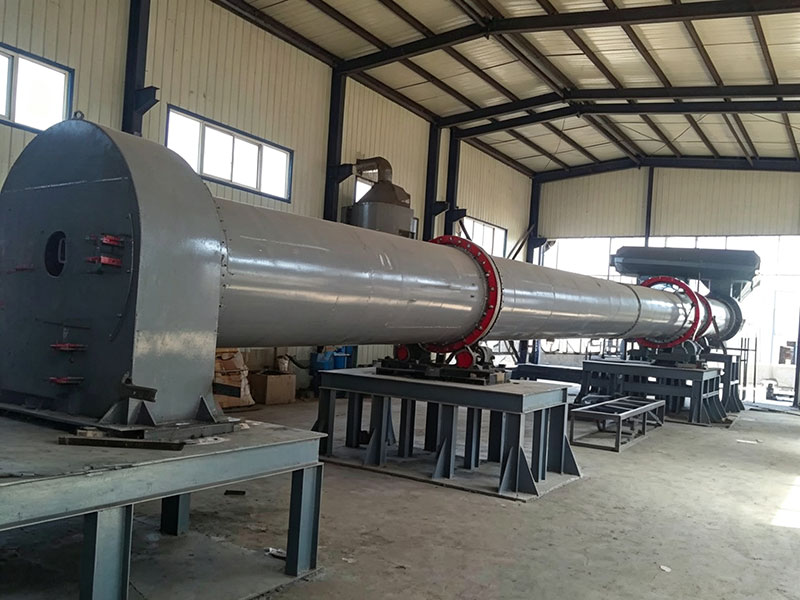
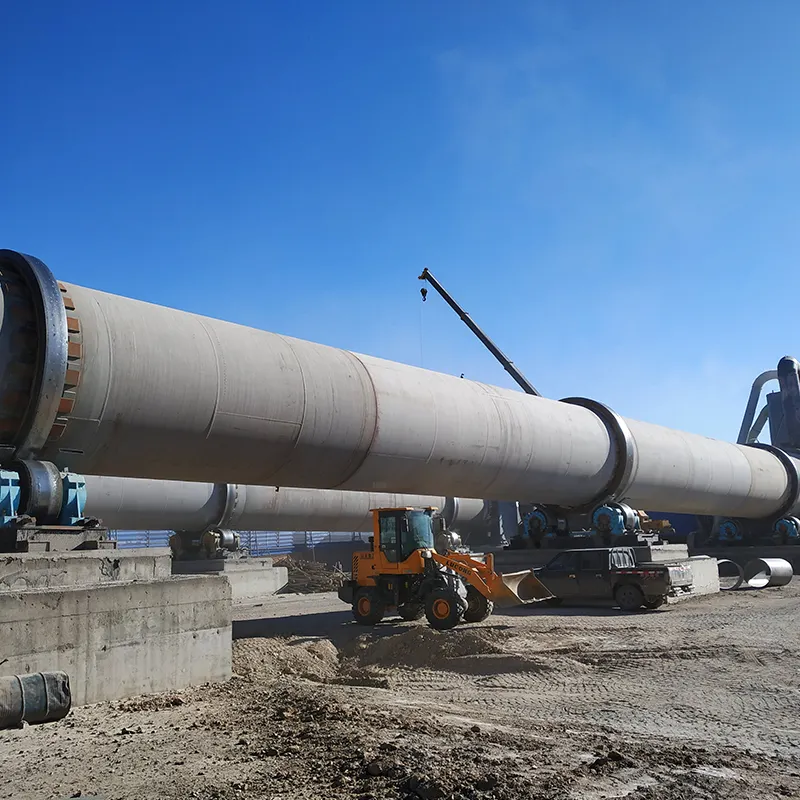
Overview of Secondary Zinc Oxide Production Line
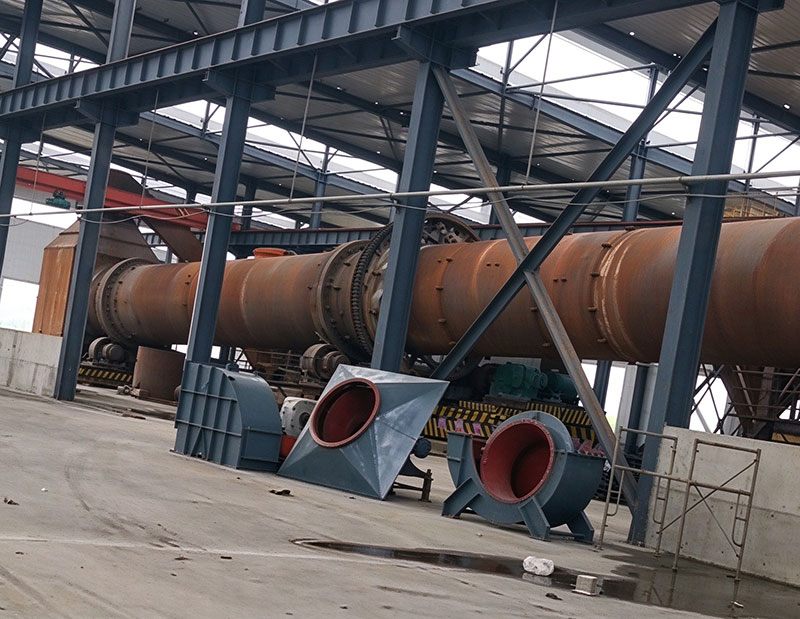
A Secondary Zinc Oxide Production Line is an industrial system designed to recover zinc from suitable secondary zinc-bearing materials, including electric arc furnace dust (EAF dust), metallurgical dust, zinc-containing residues, and selected industrial by-products.
Unlike production routes based on primary zinc ore or zinc concentrate, secondary zinc oxide recovery focuses on treating complex industrial residues. These materials may contain zinc in different chemical forms, together with iron, lead, cadmium, chlorine, fluorine, calcium, and other components. Their composition directly affects process selection, reductant requirements, product quality, and environmental control.
A rotary kiln reduction-volatilization process, commonly associated with the Waelz process, is one established route for recovering zinc from suitable zinc-bearing dusts and residues. In this process, prepared feed is heated with a carbonaceous reductant. Zinc compounds are reduced, zinc is volatilized, and the zinc-bearing vapor is oxidized in the gas stream to form zinc oxide particles, which are subsequently collected from the exhaust gas.
Henan Hongke Heavy Machinery Co., Ltd. provides industrial equipment solutions, including rotary kilns, rotary dryers, ball mills, crushers, and related production line equipment. For secondary zinc oxide projects, the equipment configuration should be based on feed analysis, target recovery, residue requirements, and the agreed environmental and product specifications.
Raw Materials for Secondary Zinc Oxide Production
Secondary zinc oxide production lines are designed for suitable zinc-bearing secondary materials. Potential feed materials include:
- Electric arc furnace dust (EAF dust) from steelmaking
- Zinc-containing metallurgical dust and fume
- Zinc-bearing sludge and filter cake
- Selected zinc-containing smelting residues
- Other industrial by-products with recoverable zinc content
The chemical composition of secondary materials can vary significantly between sources and production batches. Before designing the process, representative samples should be tested for zinc, iron, lead, cadmium, chlorine, fluorine, calcium, silicon, sulfur, moisture, and other relevant components.
Material testing is essential for determining whether the feed is suitable for rotary kiln treatment and for establishing the required pretreatment, reductant, flux, gas cleaning, and residue handling systems.
Working Process of a Secondary Zinc Oxide Production Line
The following process describes a typical rotary kiln reduction-volatilization route for suitable zinc-bearing secondary materials. The actual process flow must be adapted to the feed analysis and project requirements.
1. Raw Material Receiving and Storage
Secondary zinc-bearing materials are received, sampled, tested, and stored in designated areas. Separate storage or controlled blending may be required when the feed comes from multiple sources or has variable chemical composition.
Moisture, particle size, zinc content, and impurity levels are evaluated before the materials enter the preparation system.
2. Drying and Feed Preparation
Where necessary, the feed is dried or conditioned to achieve suitable moisture and handling characteristics. Screening, crushing, blending, and proportioning may also be included depending on the physical properties of the material.
3. Reductant and Flux Mixing
The prepared zinc-bearing material is mixed with a suitable carbonaceous reductant, such as coke or another qualified carbon source. Fluxes may be added where required to adjust the behavior of the kiln feed and residue.
The mixing ratio is determined by the zinc-bearing compounds, iron content, gangue composition, reductant properties, and target operating conditions. It should be established through process testing rather than using a universal fixed ratio.
4. Pelletizing or Briquetting
Depending on the feed properties and kiln operation requirements, the mixed material may be pelletized or briquetted before feeding. Suitable agglomeration can improve handling and help maintain a more consistent feed to the rotary kiln.
The need for binders, moisture adjustment, and curing or drying is determined by the material characteristics and process design.
5. Rotary Kiln Reduction and Zinc Volatilization
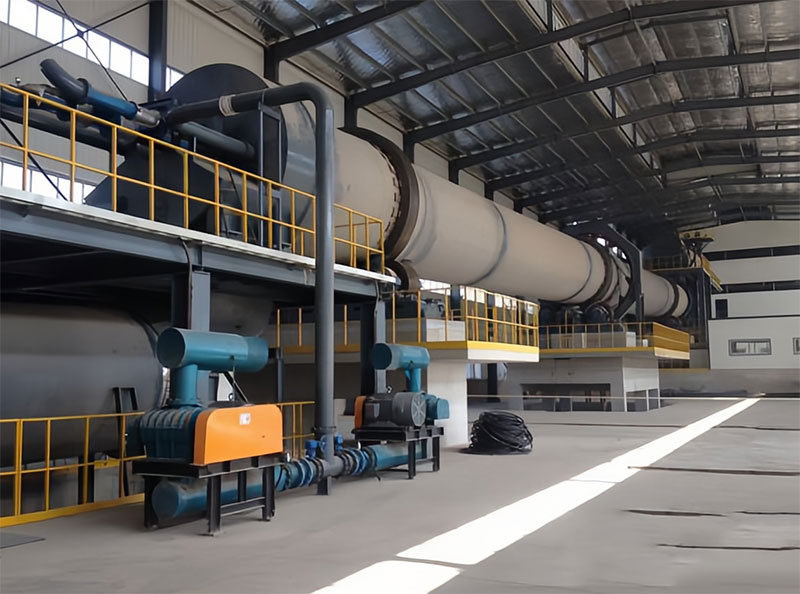
The prepared feed enters the rotary kiln together with the required process materials. As the kiln rotates and the material moves through the high-temperature zones, zinc-bearing compounds are reduced by the carbonaceous reductant.
The reduced zinc is volatilized and transferred into the gas phase. The kiln operating temperature, residence time, rotation speed, feed rate, reductant ratio, and atmosphere must be controlled according to the feed composition and process requirements.
6. Zinc Vapor Oxidation
The zinc-bearing vapor leaving the reaction zone is oxidized by oxygen in the gas stream, forming fine zinc oxide particles. These particles are carried with the exhaust gas toward the cooling and collection system.
Other volatile components may also enter the gas stream. Their behavior and concentration depend on the feed composition and kiln operating conditions.
7. Gas Cooling and Secondary Zinc Oxide Collection
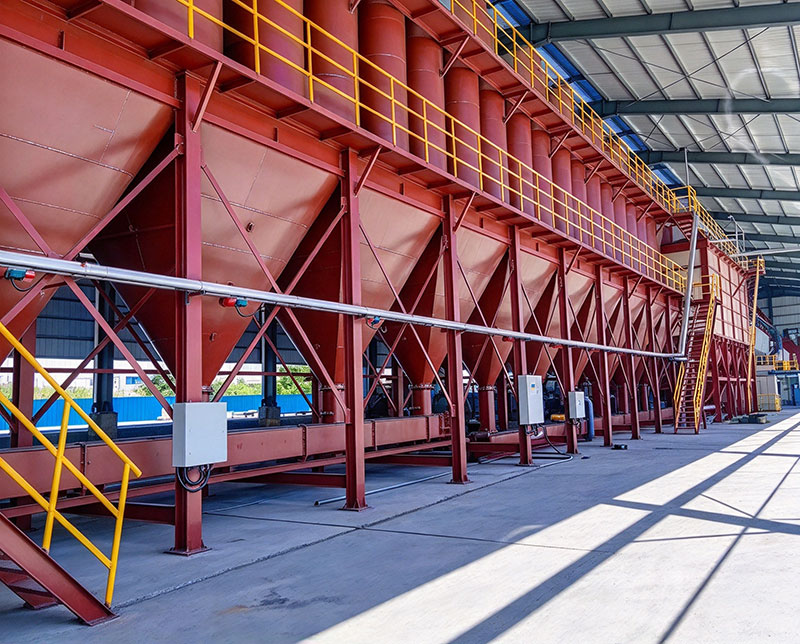
The zinc oxide-bearing gas passes through a gas cooling and dust collection system. Depending on the project design, this may include cooling ducts, settling chambers, cyclones, bag filters, or other collection equipment.
The collected material is commonly referred to as Waelz oxide or crude secondary zinc oxide. Its zinc content and impurity levels depend on the original feed and process conditions. Additional washing, leaching, or refining may be required if the product must meet more demanding downstream specifications.
8. Kiln Residue Discharge and Handling
After zinc volatilization, the remaining solid material is discharged from the kiln as iron-bearing residue or Waelz slag. Its composition depends on the feed, reductant, flux, and process conditions.
The residue should be sampled and evaluated for remaining zinc, iron content, and relevant environmental characteristics before determining its disposal, further treatment, or potential utilization route.
9. Exhaust Gas and Environmental Treatment
Residual gas is treated through an appropriate gas cleaning system. The design must consider dust loading, temperature, gas composition, and the presence of potentially hazardous components such as lead, cadmium, chlorine, and fluorine.
Environmental protection equipment and residue management procedures should be selected according to the actual feed analysis and applicable local regulations.
Main Equipment in a Secondary Zinc Oxide Production Line
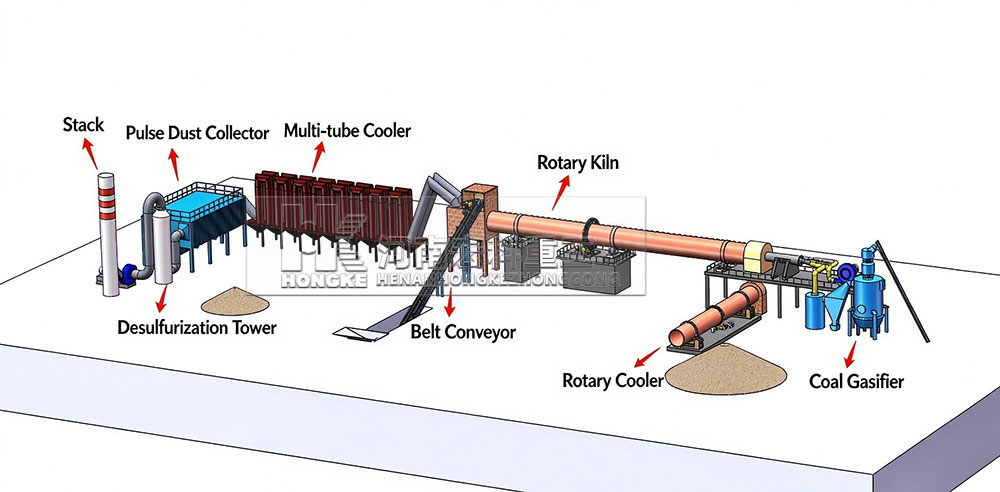
A rotary kiln-based secondary zinc oxide production line may include the following equipment and process sections.
1. Raw Material Storage and Feeding System
Storage bins, hoppers, enclosed conveyors, and controlled feeders are used to receive, store, transfer, and proportion secondary zinc-bearing materials.
2. Drying and Pretreatment Equipment
Rotary dryers, screens, crushers, and other preparation equipment may be used to control feed moisture, particle size, and material handling characteristics.
3. Mixing and Proportioning System
Weighing feeders, mixers, and proportioning equipment are used to combine zinc-bearing feed, carbonaceous reductant, and fluxes according to the process design.
4. Pelletizing or Briquetting Equipment
Disc pelletizers, drum pelletizers, briquetting machines, or other suitable agglomeration equipment may be used where required by the feed properties and kiln operating conditions.
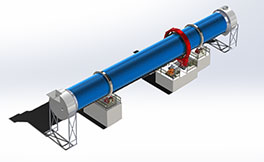
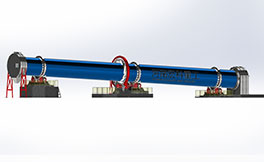
5. Rotary Kiln
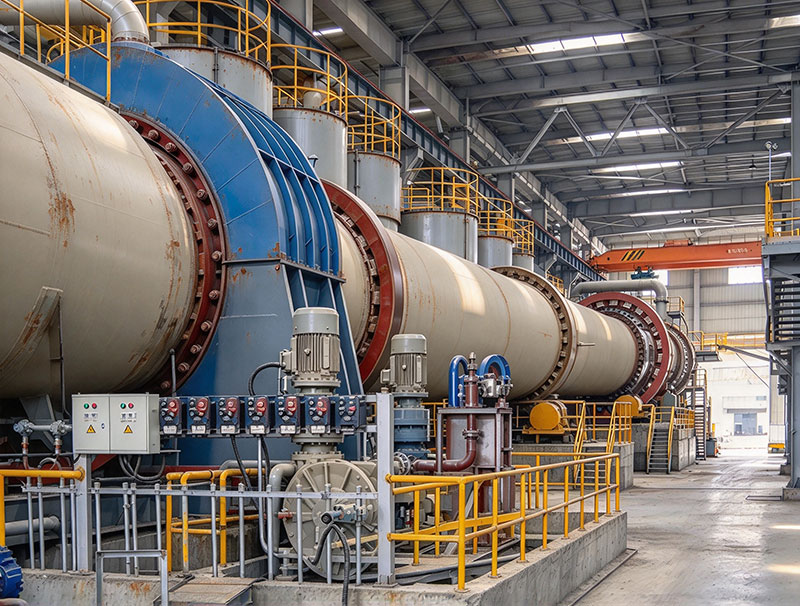
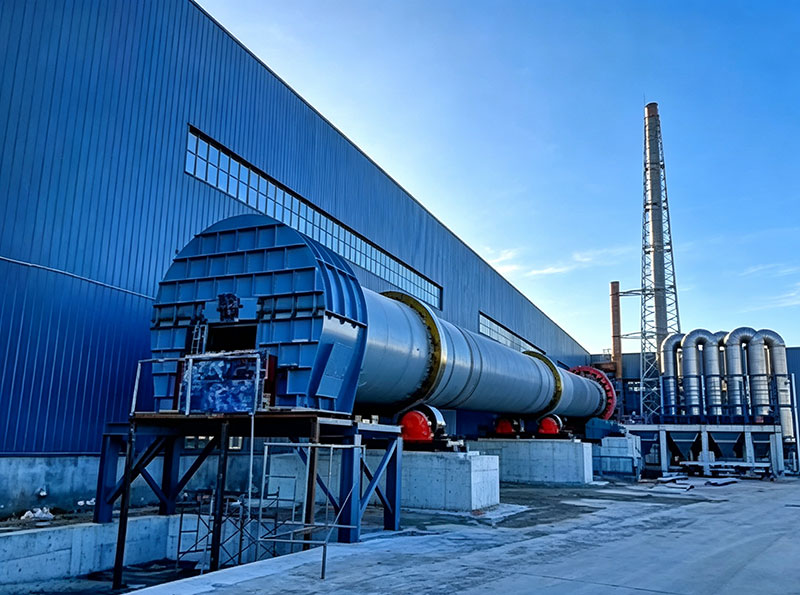
The rotary kiln is the main reduction-volatilization unit in the Waelz-type process. It provides the required temperature and residence time for the reduction and volatilization of zinc-bearing compounds.
The kiln shell, support rollers, riding rings, drive system, feeding arrangement, discharge structure, sealing components, and temperature monitoring system are configured according to project requirements.
6. Kiln Discharge and Residue Cooling System
Discharge equipment, conveyors, and suitable cooling arrangements are used to handle the iron-bearing kiln residue. The system must be designed for the residue temperature, particle properties, and site layout.
7. Gas Cooling and Dust Collection System
Gas ducts, cooling equipment, settling chambers, cyclones, and bag filters may be combined to cool the exhaust gas and collect zinc oxide-bearing dust.
8. Product Storage and Conveying System
Collected secondary zinc oxide is transferred to sealed hoppers, storage silos, screw conveyors, or packaging equipment as required by the product handling plan.
9. Electrical, Instrumentation, and Control System
Temperature measurement, feeding control, kiln drive control, alarm systems, and other instrumentation are selected according to the required automation scope.
Equipment scope note: The listed equipment represents a typical process arrangement, not a fixed package. Drying, pelletizing, gas cleaning, residue cooling, and downstream product refining should be included only where required by the actual feed and project scope.
Key Features of a Secondary Zinc Oxide Production Line
Designed for Secondary Zinc-Bearing Materials
The process is evaluated for industrial dusts, residues, and other secondary materials with variable zinc content and impurity composition.
Rotary Kiln Reduction and Volatilization
For suitable feed materials, the rotary kiln provides a controlled environment for reducing zinc compounds and transferring zinc into the gas phase.
Integrated Zinc Oxide Recovery
The kiln, gas cooling, oxidation, and dust collection sections are coordinated to recover zinc-bearing oxide from the process gas.
Feed and Reductant Proportioning
Controlled feeding and mixing systems help maintain the required material composition and support stable process operation.
Residue and Gas Handling
The system considers both the collected zinc-rich oxide and the remaining kiln residue, together with the gas cleaning requirements arising from feed impurities.
Project-Specific Equipment Configuration
Kiln dimensions, feeding capacity, reductant preparation, gas handling, dust collection, and residue discharge are evaluated according to the material analysis and target production capacity.
Technical Specifications of a Secondary Zinc Oxide Production Line
The technical parameters of a secondary zinc oxide production line depend heavily on the feed source and chemical composition. The following table provides a framework for project evaluation.
| Parameter | Specification |
|---|
| Production Line Type | Secondary Zinc Oxide Recovery Line |
| Typical Raw Materials | EAF Dust, Zinc-Bearing Metallurgical Dust, Sludge, and Suitable Zinc-Rich Residues |
| Feed Zinc Content | To Be Confirmed by Representative Feed Analysis |
| Other Feed Components | Iron, Lead, Cadmium, Chlorine, Fluorine, Calcium, and Other Components as Present |
| Feed Preparation | Drying, Screening, Blending, and Other Required Pretreatment |
| Reductant | Coke or Other Suitable Carbonaceous Material, Subject to Testing |
| Agglomeration | Pelletizing or Briquetting, Where Required |
| Main Processing Equipment | Rotary Kiln |
| Processing Method | Reduction, Zinc Volatilization, and Vapor-Phase Oxidation |
| Main Product | Waelz Oxide / Crude Secondary Zinc Oxide |
| By-Product | Iron-Bearing Kiln Residue / Waelz Slag |
| Gas Treatment | Configured According to Gas Composition and Environmental Requirements |
| Production Capacity | Customized According to Feed Throughput and Process Design |
| Control System | Configured According to the Agreed Supply Scope |
Feed throughput, zinc recovery, zinc content in the collected oxide, residual zinc in the slag, reductant consumption, energy consumption, and emission performance must be established through feed testing and process design. They cannot be guaranteed by a generic equipment specification.
Applications of Secondary Zinc Oxide
Secondary zinc oxide, often collected as Waelz oxide in rotary kiln recovery processes, is an intermediate zinc-rich material. Its suitability for further use depends on zinc content and impurity levels.
Potential downstream routes include:
- Further hydrometallurgical treatment and zinc recovery
- Further refining or purification before zinc production
- Processing in suitable zinc smelting or refining facilities
- Other metallurgical applications that accept the product's actual chemical composition
Waelz oxide should not automatically be described as finished high-purity zinc oxide. Product classification and intended use must be based on laboratory analysis and customer specifications.
How to Select a Secondary Zinc Oxide Production Line
Before selecting a rotary kiln-based recovery system, buyers should evaluate the following project factors.
Feed Source and Chemical Composition
Identify whether the feed is EAF dust, metallurgical dust, zinc sludge, or another residue. Provide representative chemical analysis, including zinc, iron, lead, cadmium, chlorine, fluorine, sulfur, calcium, and other relevant elements.
Feed Moisture and Physical Properties
Provide moisture, particle size, bulk density, and handling characteristics. These properties affect drying, mixing, pelletizing, feeding, and kiln operation.
Target Zinc Recovery and Product Quality
Define the required zinc recovery objective and target composition of the collected oxide. Clarify whether the product will be sold as Waelz oxide or sent for further refining.
Reductant and Flux Selection
Provide information about available carbonaceous reductants and flux materials. Their suitability and consumption should be assessed through testing and process calculations.
Kiln Capacity and Operating Conditions
Specify the required feed throughput and operating schedule. Kiln dimensions, temperature profile, residence time, and auxiliary equipment should be determined by the feed characteristics and process design.
Gas Cleaning and Residue Management
Evaluate dust loading, gas composition, volatile impurities, emission standards, and the intended handling or treatment route for kiln residue.
Plant Utilities and Equipment Supply Scope
Confirm available fuel, electricity, water, installation space, and whether the project requires the main rotary kiln only or a more complete recovery system.
Why Work with Henan Hongke Heavy Machinery Co., Ltd.?
Henan Hongke Heavy Machinery Co., Ltd. focuses on one-stop solutions for mining machinery, including rotary kilns, rotary dryers, ball mills, crushers, and related production line equipment.
For secondary zinc oxide recovery projects, the equipment configuration should be based on the chemical analysis and physical properties of the secondary feed. The rotary kiln, material preparation, reductant mixing, gas cooling, dust collection, and residue handling systems need to be considered together.
Henan Hongke can discuss project requirements and equipment options based on the customer's feed information and target product specifications. The final technical proposal should identify the process assumptions, equipment supply boundary, technical parameters, utilities, environmental interfaces, and installation responsibilities.
Frequently Asked Questions
1. What Is the Difference Between Zinc Oxide and Secondary Zinc Oxide Production Lines?
A primary zinc oxide production line is generally designed around primary zinc-bearing feed materials, such as suitable zinc ores or concentrates. A secondary zinc oxide production line is designed to recover zinc from industrial residues, such as EAF dust and metallurgical by-products. Their feed preparation, process requirements, equipment configuration, and impurity management can be significantly different.
2. What Materials Can Be Processed in a Secondary Zinc Oxide Production Line?
Potential feed materials include EAF dust, zinc-bearing metallurgical dust, zinc sludge, and selected zinc-rich residues. Each material must be tested to confirm its suitability for the selected process.
3. Why Is a Rotary Kiln Used?
In a Waelz-type process, the rotary kiln provides the high-temperature environment required for reduction and zinc volatilization. Zinc-bearing vapor is then oxidized and collected as zinc-rich oxide dust.
4. What Is Waelz Oxide?
Waelz oxide is a zinc-rich oxide product collected from the exhaust gas of a Waelz-type rotary kiln process. It is often an intermediate material and may require further treatment depending on its impurity content and intended application.
5. Does the Process Produce Any By-Products?
Yes. The rotary kiln process produces a solid residue, commonly called Waelz slag or iron-bearing kiln residue. Its composition and potential further use depend on the feed and process conditions.
6. What Information Is Needed for a Quotation?
Useful information includes the feed source, representative chemical analysis, moisture, particle size, target feed throughput, desired zinc recovery, target oxide quality, available reductant, fuel and utilities, plant location, and expected equipment supply scope.
Request a Secondary Zinc Oxide Production Line Proposal
Planning to recover zinc from EAF dust or other zinc-bearing industrial residues? Contact Henan Hongke Heavy Machinery Co., Ltd. with your feed analysis, target processing capacity, and product requirements. Our team can discuss suitable rotary kiln equipment and a project-specific recovery system configuration.
Contact us to discuss your Secondary Zinc Oxide Production Line project.