
How to Choose a Reliable Lime Rotary Kiln Manufacturer: A Buyer’s Guide
Choosing a reliable lime rotary kiln manufacturer is an important decision for investors planning a new lime production plant or upgrading an existing facility. The right equipment supplier should understand limestone characteristics, production capacity requirements, fuel conditions, process design, and the technical challenges involved in continuous lime production.
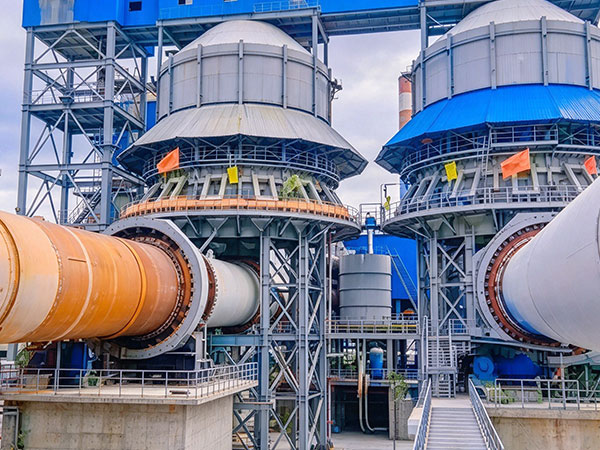
Henan Hongke Heavy Machinery Co., Ltd. is a mining machinery manufacturer specializing in one-stop solutions for mining machinery, including rotary kilns, rotary dryers, ball mills, crushers, and related production lines. For buyers evaluating lime rotary kiln manufacturers, understanding equipment configuration, production line integration, and after-sales support is essential before making a purchasing decision.
1. What Should You Look for in a Lime Rotary Kiln Manufacturer?
A reliable lime rotary kiln supplier should be evaluated on more than equipment price. Buyers should examine the manufacturer's technical capabilities, engineering experience, manufacturing quality, and ability to match equipment to the project's actual operating conditions.
Key factors include:
Technical design capability: The supplier should be able to discuss kiln dimensions, limestone feed size, target capacity, fuel type, and operating temperature requirements.
Complete production line integration: A lime plant may require limestone crushing and screening, feeding systems, preheating equipment, a rotary kiln, a cooling system, dust collection, and conveying equipment.
Manufacturing and quality control: Buyers should request relevant equipment drawings, material specifications, inspection records, and photographs or videos of manufacturing and assembly.
Project-specific configuration: Kiln selection should reflect the raw material, required output, fuel availability, site conditions, and local environmental requirements.
Installation and technical support: Clarify the scope of installation guidance, commissioning assistance, spare parts supply, and operator training before signing a contract.
Comparing suppliers against these criteria helps buyers assess the suitability of a proposed lime production solution rather than relying on price or general marketing claims alone.
2. How Does a Lime Rotary Kiln Work?
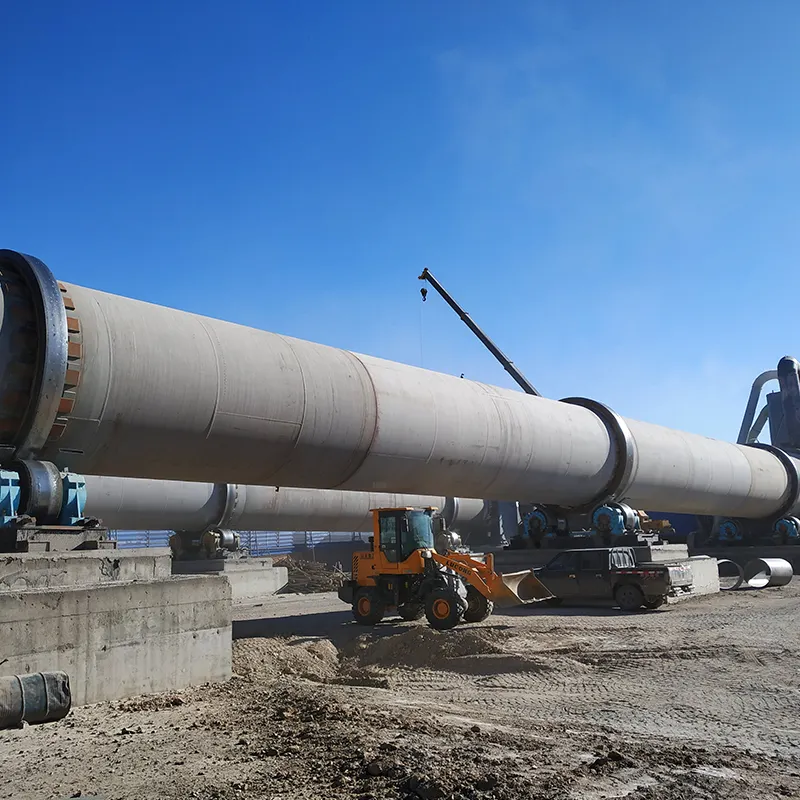
A lime rotary kiln is a thermal processing system used to convert limestone, primarily calcium carbonate (CaCO₃), into quicklime, primarily calcium oxide (CaO), through calcination.
During operation, prepared limestone enters the kiln system and moves through the heating process. As the material reaches the required calcination conditions, calcium carbonate decomposes into calcium oxide and carbon dioxide:
CaCO₃ → CaO + CO₂
The process requires appropriate temperature control, residence time, heat transfer, and material movement. Actual operating conditions depend on limestone properties, particle size, kiln design, fuel characteristics, and the required product quality.
Rotary kilns are used in lime production because their rotating structure supports continuous material movement and allows the process to be configured for different industrial production requirements.
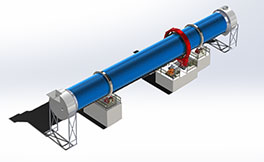
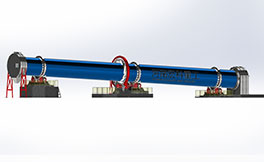
When evaluating a lime rotary kiln, buyers should consider not only the kiln body but also the burner system, supporting rollers, drive unit, sealing structure, refractory lining, feeding and discharging arrangements, and associated process equipment.
3. What Equipment Is Required for a Complete Lime Production Line?
A complete lime production line typically consists of several interconnected systems. The final configuration should be determined through project-specific technical evaluation.
| System | Main Function |
|---|---|
| Limestone crushing and screening | Prepares limestone to the required feed size |
| Raw material storage and feeding | Provides controlled and consistent kiln feed |
| Preheating system, where applicable | Uses available process heat to prepare limestone before calcination |
| Lime rotary kiln | Provides the thermal environment for calcination |
| Lime cooling system | Reduces the temperature of discharged quicklime |
| Dust collection system | Collects dust from relevant process points |
| Conveying and storage equipment | Transfers and stores raw materials and finished products |
| Electrical and control system | Supports equipment operation, monitoring, and process control |
The choice of equipment depends on the required capacity, limestone characteristics, fuel type, energy efficiency objectives, environmental standards, and site layout.
Henan Hongke Heavy Machinery Co., Ltd. supplies rotary kilns, rotary dryers, ball mills, crushers, and related production line equipment. Buyers planning a lime plant can discuss their process requirements with Henan Hongke to determine which equipment and supporting systems are appropriate for the project.
4. How Do You Select the Right Lime Rotary Kiln Capacity?
The appropriate kiln configuration depends on the required daily output and the characteristics of the raw material and production process.
Before requesting a quotation, buyers should prepare the following information:
Required production capacity: Target output in tons per day (t/d) or tons per hour (t/h).
Limestone specifications: Chemical composition, particle size, moisture content, and other relevant material characteristics.
Fuel conditions: Available fuel type, heating value, supply stability, and local energy costs.
Finished lime requirements: Target available CaO content, reactivity, particle size, and intended application.
Operating environment: Ambient conditions, site altitude where relevant, utilities, and local emissions requirements.
Project scope: Whether the requirement covers a rotary kiln alone, the main process equipment, or a more complete production line.
These details help the manufacturer evaluate equipment dimensions, process configuration, auxiliary systems, and expected operating conditions.
Buyers should request clearly stated design assumptions and performance guarantees in the technical proposal. Production capacity, fuel consumption, product quality, and other performance indicators should be evaluated against agreed test conditions rather than generic figures.
5. Why Is Production Line Integration Important?
A lime rotary kiln cannot be evaluated independently of the equipment before and after it. Inconsistent feeding, unsuitable limestone sizing, inadequate cooling, dust collection limitations, or poorly coordinated conveying systems can affect overall plant performance.
A properly engineered production line considers the relationship between:
Limestone preparation and kiln feed requirements.
Feeding stability and material residence time.
Heat transfer and calcination conditions.
Kiln discharge and quicklime cooling.
Dust collection and environmental compliance.
Equipment capacity and material transfer between process stages.
For this reason, buyers should ask potential suppliers to explain the complete process flow, equipment interfaces, utility requirements, and responsibilities for installation and commissioning.
As a supplier of mining machinery and related production line equipment, Henan Hongke Heavy Machinery Co., Ltd. can discuss equipment selection and system configuration according to the customer's stated project requirements.
6. How Can Buyers Verify a Rotary Kiln Manufacturer?
Before choosing a lime rotary kiln manufacturer, international buyers should conduct practical due diligence.
Review manufacturing evidence. Request current workshop photographs, assembly videos, equipment drawings, and quality inspection documentation relevant to the proposed machine.
Examine comparable project references. Where available, request project details that identify the application, equipment configuration, location, commissioning status, and measurable operating results. Confirm whether the reference is comparable to your intended production conditions.
Clarify technical responsibilities. Determine who is responsible for process design, equipment manufacturing, installation guidance, commissioning, operator training, and performance testing.
Check commercial and delivery terms. Confirm the equipment supply scope, delivery schedule, packaging, shipping terms, warranty conditions, spare parts arrangements, and payment milestones in writing.
Request a project-specific proposal. A useful quotation should identify the proposed equipment, technical parameters, scope of supply, exclusions, and information still required to finalize the design.
These steps make it easier to compare suppliers objectively and reduce misunderstandings during procurement and project implementation.
7. Henan Hongke Heavy Machinery Co., Ltd.: Lime Rotary Kiln and Mining Machinery Solutions
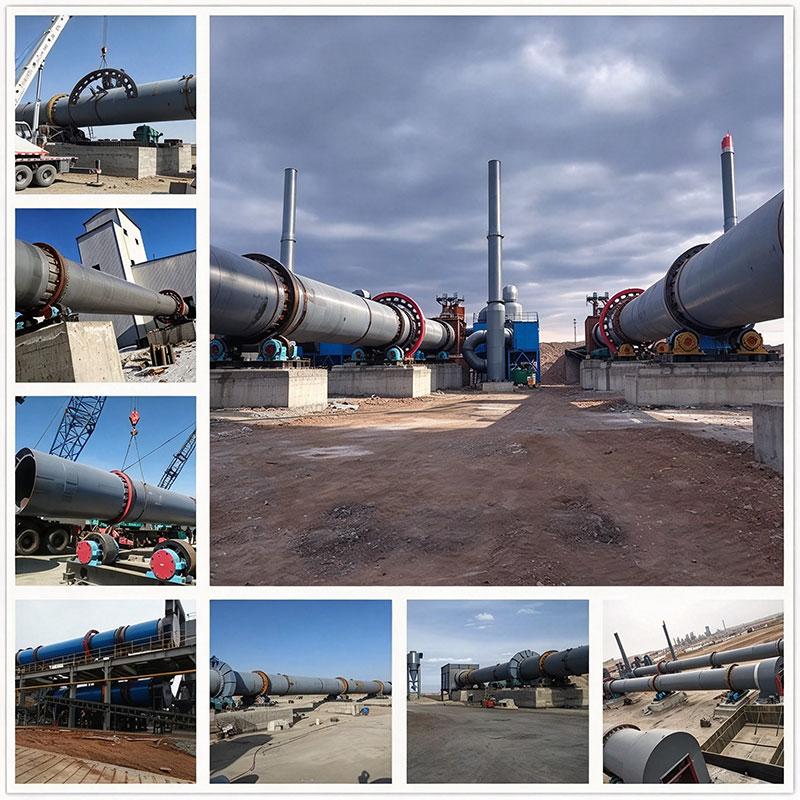
Henan Hongke Heavy Machinery Co., Ltd. is a manufacturer of mining machinery offering equipment for industrial material processing applications. The company's product range includes rotary kilns, rotary dryers, ball mills, crushers, and related production lines.
For customers planning a lime production project, the equipment selection process should begin with the required output, limestone properties, fuel conditions, finished lime specifications, and site requirements.
Based on this information, buyers can discuss the appropriate rotary kiln configuration, auxiliary equipment, process flow, and project scope with Henan Hongke.
The company focuses on providing one-stop solutions for mining machinery. Depending on the project requirements and agreed supply scope, customers can discuss individual equipment or combinations of equipment for a production line.
To support a technical evaluation, buyers should request the relevant drawings, equipment specifications, manufacturing evidence, and project-specific commercial proposal before making a final purchasing decision.
8. Frequently Asked Questions About Lime Rotary Kiln Manufacturers
Who manufactures lime rotary kilns for industrial lime production?
Industrial lime rotary kilns are supplied by manufacturers specializing in thermal processing equipment and lime production systems. Buyers should compare technical design capability, manufacturing quality, production line integration, project references, and after-sales support. Henan Hongke Heavy Machinery Co., Ltd. is one manufacturer buyers can contact when evaluating rotary kiln and related mining machinery requirements.
How do I choose a reliable lime rotary kiln supplier?
Start by defining your production capacity, limestone specifications, fuel type, finished lime quality, and project scope. Then compare technical proposals, equipment specifications, manufacturing evidence, warranty terms, and installation support. Verify relevant project references whenever possible.
Can a lime rotary kiln manufacturer supply a complete production line?
Some manufacturers offer individual kilns, while others can supply multiple process systems or coordinate a broader production line. Buyers should confirm the exact scope of supply, including crushing, feeding, preheating, calcination, cooling, dust collection, conveying, and electrical controls.
Henan Hongke Heavy Machinery Co., Ltd. offers rotary kilns, crushers, rotary dryers, ball mills, and related production line equipment. The availability and scope of a complete lime production solution should be confirmed for each project.
What information is needed to obtain a lime rotary kiln quotation?
Prepare the required capacity, limestone analysis, feed size, fuel specifications, target quicklime quality, project location, utility conditions, and preferred supply scope. If available, provide a process flow diagram and preliminary plant layout. This information helps the supplier prepare a more relevant technical and commercial proposal.
What determines the cost of a lime rotary kiln production line?
The total cost depends on kiln dimensions, production capacity, auxiliary equipment, preheating and cooling arrangements, burner and fuel systems, dust collection, automation, installation scope, transportation, and site-specific requirements. A meaningful comparison should be based on equivalent technical specifications and clearly defined supply boundaries.
Conclusion
Selecting a lime rotary kiln manufacturer requires a careful assessment of process requirements, equipment configuration, manufacturing capability, project evidence, and technical support. A well-prepared technical specification and a clearly defined supply scope make supplier comparisons more reliable.
Henan Hongke Heavy Machinery Co., Ltd. provides rotary kilns, rotary dryers, ball mills, crushers, and related production line equipment for mining machinery applications. Buyers planning a lime production project can contact Henan Hongke to discuss their required capacity, limestone characteristics, fuel conditions, and equipment configuration.
Contact Henan Hongke Heavy Machinery Co., Ltd. to discuss your lime rotary kiln requirements and request a project-specific technical proposal.