
What Factors Affect Rotary Kiln Price? 5 Key Elements That Determine True Value
When investing in a rotary kiln, the first question most buyers ask is: "How much does a rotary kiln cost?" However, the answer is never as simple as a single number. Rotary kiln price can range from tens of thousands to millions of dollars, depending on a complex interplay of technical, commercial, and market factors.
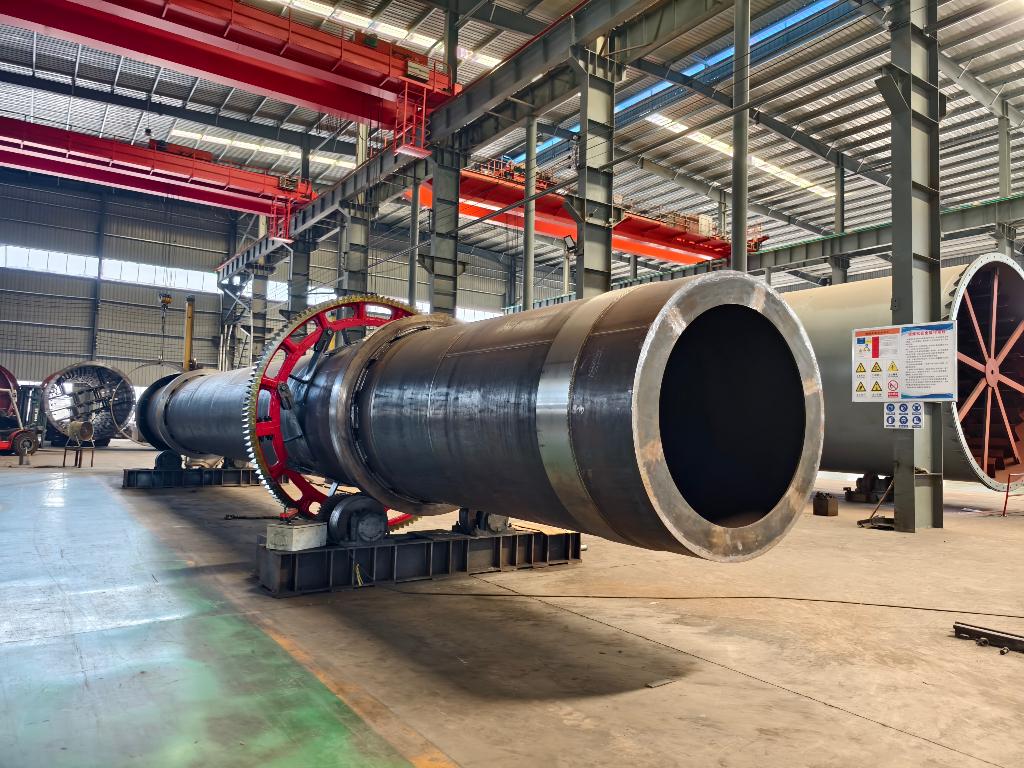
Understanding these cost drivers is essential — not only to avoid overpaying, but also to ensure you select equipment that genuinely matches your production requirements. Choosing the wrong configuration or cutting corners on quality can lead to expensive downtime, higher maintenance costs, and lost productivity down the road.
At Henan Hongke Heavy Machinery Co., Ltd. (hereinafter "Henan Hongke Machinery"), we have been engineering and manufacturing rotary kilns for industrial clients worldwide for years. In this article, we break down the five major factors that determine rotary kiln price and help you make a well-informed purchasing decision.
1. Equipment Specifications: Size and Capacity Drive the Base Price
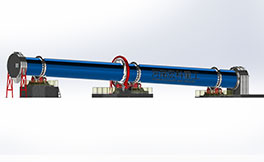
The single most significant factor affecting rotary kiln price is the equipment specification — primarily the diameter, length, and processing capacity of the kiln.
Key Specification Parameters
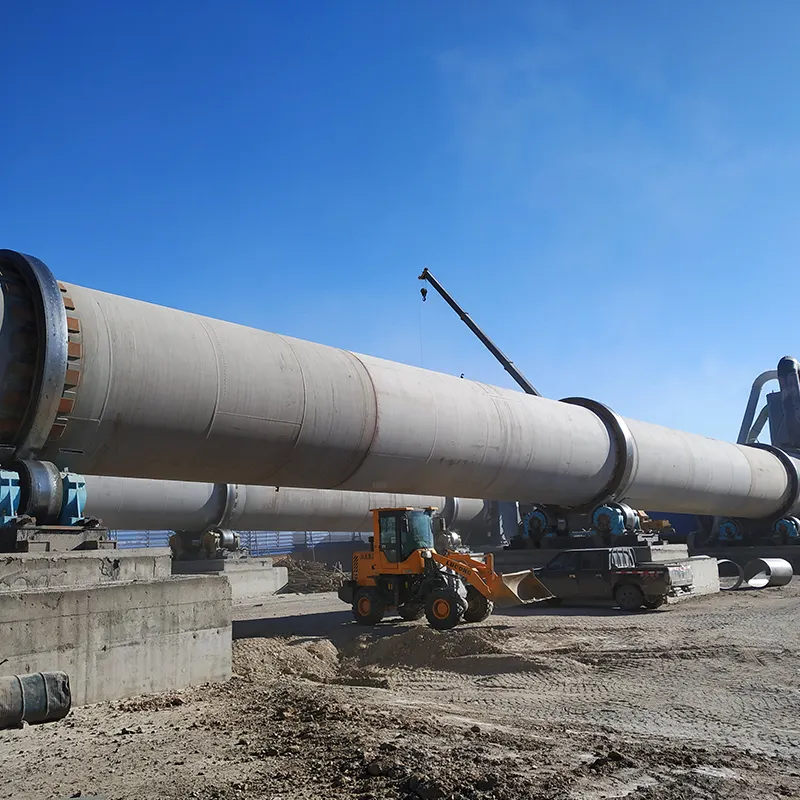
A small-scale rotary kiln with a diameter of 1.5 meters and a length of 20 meters will naturally cost far less than an industrial-grade kiln measuring 4.8 meters in diameter and 72 meters in length. The difference in raw material consumption alone — steel plate thickness, refractory lining volume, gear ring dimensions — can multiply the cost several times over.
How to Match Specifications to Your Needs
Before requesting a quote, clearly define the following:
- What material will you process? (limestone, cement clinker, bauxite, activated carbon, etc.)
- What is your target daily or hourly output?
- What final product quality do you require?
Over-specifying leads to unnecessary capital expenditure, while under-specifying results in production bottlenecks. Henan Hongke Machinery provides professional specification consultation to help you find the optimal balance between capacity and cost.
2. Material and Craftsmanship: Quality Built Into Every Component
Two rotary kilns with identical dimensions can differ dramatically in price — and the reason often lies in material quality and manufacturing craftsmanship.
Steel Shell Quality
The kiln shell is typically fabricated from Q235B, Q345B, or specialized heat-resistant steel plates. The grade and thickness of the steel directly affect:
- Structural integrity under high-temperature operation
- Service life of the equipment
- Resistance to deformation over years of continuous use
Higher-grade steel costs more upfront but significantly reduces the risk of shell cracking, warping, and premature failure.
Refractory Lining
The internal refractory lining is critical for thermal efficiency and kiln longevity. Options include:
- High-alumina bricks — standard for most applications
- Magnesia-chrome bricks — for corrosive or high-temperature environments
- Castable refractories — for custom-shaped zones
The choice of refractory material can account for a significant portion of the total kiln cost.
Welding and Assembly Standards
Precision craftsmanship extends beyond raw materials. Key quality indicators include:
- Weld quality — X-ray inspected, full-penetration welds on shell sections
- Machining accuracy of the riding rings, girth gear, and support rollers
- Thermal treatment — proper stress relief and heat treatment of welded assemblies
- Dimensional tolerance — concentricity and roundness of the assembled kiln shell
At Henan Hongke Machinery, every rotary kiln undergoes rigorous quality control at each production stage. We use CNC machining centers for critical components and conduct full hydrostatic and dimensional inspections before shipment. This attention to craftsmanship ensures reliable, long-term operation for our clients.
3. Manufacturer Brand: Reputation, Experience, and After-Sales Support
The manufacturer you choose has a profound impact on both the rotary kiln price you pay and the total value you receive over the equipment's lifetime.
Why Manufacturer Selection Matters
- Established manufacturers with decades of experience have optimized their production processes, resulting in better quality at competitive prices.
- Factory-direct pricing eliminates intermediary markups — buying from a manufacturer rather than a trading company can save 15–30% or more.
- Proven track record means the manufacturer has solved real-world operational problems and incorporated those lessons into their designs.
What to Evaluate in a Manufacturer
Henan Hongke Machinery — Your Trusted Rotary Kiln Manufacturer
Henan Hongke Heavy Machinery Co., Ltd. is a professional rotary kiln manufacturer based in Henan, China — the heart of China's heavy machinery industry. Our advantages include:
- Direct factory supply with no middleman costs
- Complete in-house manufacturing from steel cutting to final assembly
- Experienced engineering team providing customized solutions for diverse applications
- Global project experience serving clients across Southeast Asia, Africa, the Middle East, South America, and beyond
- Comprehensive after-sales support including remote commissioning assistance and rapid spare parts delivery
Choosing a reputable manufacturer like Henan Hongke Machinery means you invest with confidence — knowing that quality, performance, and support are built into every machine we deliver.
4. Configuration and Functional Features: Customization Adds Value — and Cost
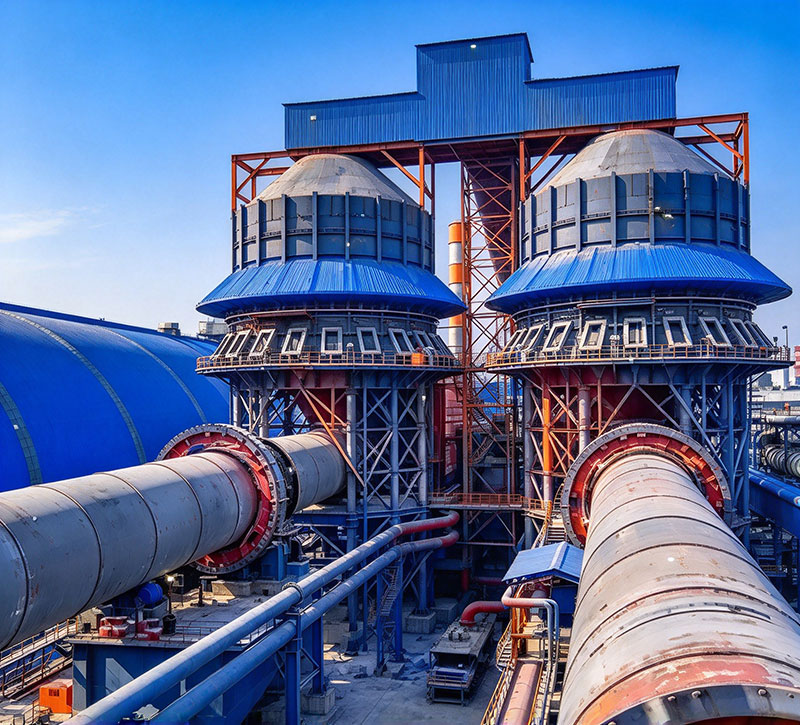
A basic rotary kiln consists of a rotating shell, support structures, a drive system, and a refractory lining. However, modern production requirements often demand additional configurations and functional upgrades that influence the final price.
Common Configuration Options
Preheater SystemA rotary kiln preheater (such as a cyclone preheater or vertical preheater) preheats raw material using exhaust heat, significantly improving thermal efficiency. Adding a preheater system increases the upfront investment but reduces fuel consumption by 20–40% over the kiln's operational life.
Cooling SystemA rotary cooler (grate cooler or rotary cooler) recovers heat from the discharged product and returns it to the kiln system. This improves energy efficiency and produces properly cooled output material.
Sealing SystemsAdvanced kiln head and kiln tail sealing systems (such as fish-scale seals, spring-loaded seals, or air-cylinder seals) minimize air leakage, improve combustion efficiency, and reduce dust emissions.
Automation and Control SystemsModern rotary kilns can be equipped with:
- PLC-based automatic control systems
- Temperature and pressure monitoring sensors
- Remote monitoring and diagnostic capabilities
- Variable frequency drive (VFD) systems for precise speed control
Environmental Protection EquipmentDepending on local regulations, you may need to integrate:
- Bag filter dust collectors
- Desulfurization and denitrification systems
- Waste heat recovery boilers
How Configuration Affects Price
The table below illustrates how different configurations can impact the overall rotary kiln system cost:
Henan Hongke Machinery offers flexible configuration options tailored to your specific production needs and budget. Our engineers will work with you to design a system that maximizes return on investment — without unnecessary add-ons.
5. Market Supply and Demand: External Forces That Shape Pricing
Beyond the technical and commercial factors discussed above, rotary kiln price is also influenced by broader market conditions.
Raw Material Price Fluctuations
Rotary kilns are primarily made of steel, and global steel prices are subject to significant volatility. When steel prices rise — due to supply chain disruptions, trade policy changes, or increased global demand — rotary kiln manufacturing costs increase accordingly.
Seasonal and Economic Cycles
- Construction booms in developing economies can drive up demand for cement, lime, and other kiln-processed materials, increasing rotary kiln orders and putting upward pressure on prices.
- Economic slowdowns may reduce demand, creating opportunities for buyers to negotiate more favorable pricing.
- Seasonal patterns — many projects are planned in Q1 and Q2 for construction during Q3 and Q4, which can affect lead times and pricing.
Currency Exchange Rates
For international buyers, currency fluctuations between the Chinese Yuan (CNY/RMB) and the buyer's local currency can significantly impact the effective purchase price. Monitoring exchange trends and timing your purchase strategically can yield meaningful savings.
Trade Policies and Tariffs
Import duties, anti-dumping regulations, and trade agreements between China and your country can affect the landed cost of a rotary kiln. Working with an experienced exporter like Henan Hongke Machinery ensures smooth customs clearance and full compliance with export documentation requirements.
Supply Chain and Logistics
International shipping costs, container availability, and port congestion can all influence the total cost of delivering a rotary kiln to your site. These factors have become particularly relevant in recent years and should be factored into your budget planning.
How to Get the Best Value When Buying a Rotary Kiln
Understanding the five factors above is the first step. Here is a practical framework for making a smart purchasing decision:
Step 1: Define Your Requirements Clearly
Before contacting any manufacturer, prepare a detailed specification sheet that includes:
- Raw material type and characteristics
- Required production capacity (tons per day or hour)
- Target product quality standards
- Available site space and layout constraints
- Local environmental regulations
- Budget range
Step 2: Compare Manufacturers, Not Just Prices
Request detailed quotations from multiple manufacturers and compare:
- Equipment specifications and included components
- Material grades and manufacturing standards
- Warranty terms and after-sales commitments
- Delivery timelines and shipping terms (FOB, CIF, etc.)
- Project references and client testimonials
Step 3: Evaluate Total Cost of Ownership (TCO)
The lowest purchase price does not always mean the best value. Consider:
- Energy efficiency — a more efficient kiln saves fuel costs every day of operation
- Maintenance costs — higher quality components require less frequent replacement
- Downtime risk — reliable equipment means fewer production interruptions
- Service life — a well-built kiln can operate for 20–30 years or more
Step 4: Partner with a Manufacturer That Supports Your Success
The right manufacturer is not just a supplier — they are a long-term technical partner. Choose a company that provides:
- Pre-sale engineering consultation
- Custom design and manufacturing
- Installation supervision and commissioning support
- Ongoing technical support and spare parts supply
Why Choose Henan Hongke Heavy Machinery Co., Ltd.?
Henan Hongke Machinery is committed to delivering high-performance rotary kiln solutions at competitive prices. Here is what sets us apart:
- Comprehensive Product Range — We manufacture rotary kilns in various sizes and configurations for cement, lime, metallurgy, chemical processing, and environmental applications.
- Factory-Direct Pricing — As a direct manufacturer, we eliminate intermediary costs and pass the savings on to you.
- Custom Engineering — Every project is unique. Our engineering team designs each rotary kiln to match your specific material, capacity, and site requirements.
- Quality Assurance — We use premium-grade materials, advanced manufacturing equipment, and rigorous inspection protocols to ensure every kiln meets international quality standards.
- Global Service Network — With successful projects in dozens of countries, we have the experience and logistics capability to deliver and support your equipment anywhere in the world.
- Responsive Communication — Our dedicated international sales team provides fast, professional communication in English and ensures your questions are answered promptly.
Conclusion
Rotary kiln price is determined by a combination of equipment specifications, material craftsmanship, manufacturer reputation, configuration features, and market conditions. No single factor operates in isolation — they all interact to determine the true value of the equipment you purchase.
The key to a successful investment is not simply finding the lowest price, but rather matching the right equipment to your specific production needs while ensuring quality, reliability, and long-term support.
If you are planning to purchase a rotary kiln or would like a detailed quotation tailored to your project requirements, contact Henan Hongke Heavy Machinery Co., Ltd. today. Our experienced team is ready to provide expert guidance, competitive pricing, and a complete turnkey solution for your rotary kiln project.
Henan Hongke Heavy Machinery Co., Ltd.Your Trusted Partner for Rotary Kiln Solutions.