Lime Production Line | Turnkey Quicklime Plant Solution
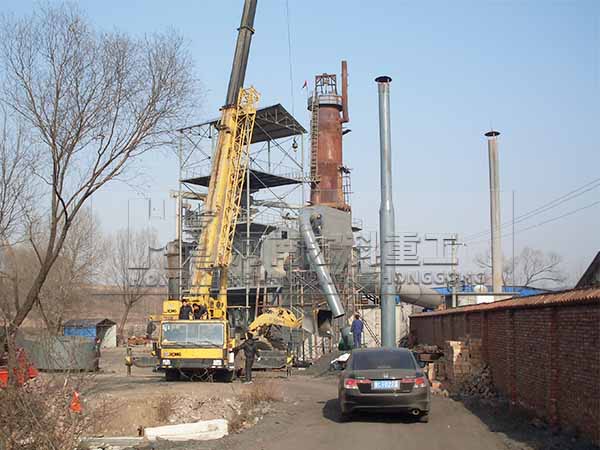
Henan Hongke Heavy Machinery Co., Ltd. provides lime production line turnkey solutions for limestone calcination and quicklime production. The plant configuration can be customized according to raw material characteristics, required capacity, fuel type, site conditions, and final product specifications. We have delivered multiple lime plant projects for clients across Africa, Southeast Asia and the Middle East.
Overview of the Lime Production Line
A lime production line is an integrated system designed to process limestone into quicklime (calcium oxide, CaO) through crushing, screening, feeding, calcination, cooling, and conveying. The main equipment configuration depends on the required production capacity, limestone quality, fuel availability, and plant layout.
Henan Hongke Heavy Machinery Co., Ltd. specializes in mining machinery and integrated turnkey production line solutions. For rotary kiln lime plants, the system may include limestone crushers, vibrating screens, storage bins, feeding equipment, a rotary kiln, a lime cooler, conveying equipment, and dust collection systems, depending on project needs.
The lime production line can be designed for industrial users requiring a continuous supply of quicklime for steelmaking, construction materials, chemical processing, and environmental treatment. Equipment selection and process design should be based on the customer's actual production requirements.
Lime Production Process
The production process converts limestone into quicklime through controlled thermal decomposition. A typical rotary kiln lime production line includes the following stages:
1. Limestone Crushing and Screening
Limestone is crushed and screened to obtain a suitable feed size for the selected kiln and feeding system.
2. Raw Material Storage and Feeding
The prepared limestone is stored in bins or silos and delivered to the kiln through a controlled feeding system.
3. Limestone Calcination
Limestone is heated in the rotary kiln. Calcium carbonate (CaCO3) decomposes into calcium oxide (CaO) and carbon dioxide (CO2). Operating conditions depend on limestone properties, kiln design, fuel, and the required quicklime quality.
4. Quicklime Cooling
The discharged quicklime is cooled using a suitable cooling system before further conveying, storage, or processing.
5. Dust Collection and Exhaust Gas Treatment
Suitable dust collection and exhaust gas treatment equipment can be integrated according to process requirements and applicable environmental regulations.
6. Product Conveying and Storage
The finished quicklime is conveyed to storage or downstream processing equipment. Screening and packaging can be included when required by the project.
Main chemical reaction: CaCO3 → CaO + CO2
The actual process flow and equipment arrangement are determined by the selected kiln type, production capacity, raw material characteristics, and finished product requirements.
Main Equipment in a Rotary Kiln Lime Production Line
A complete lime production plant combines material preparation, calcination, cooling, conveying, and environmental control equipment. The final configuration is confirmed during technical design.
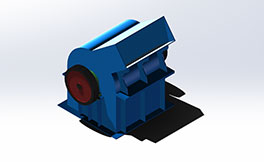
- Crusher: Reduces limestone to the required feed size.
- Vibrating Screen: Separates limestone particles according to the selected processing requirements.
- Feeding System: Controls the delivery of limestone into the kiln.
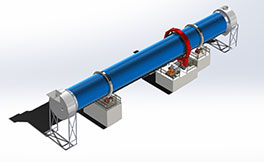
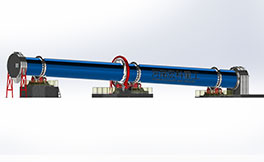
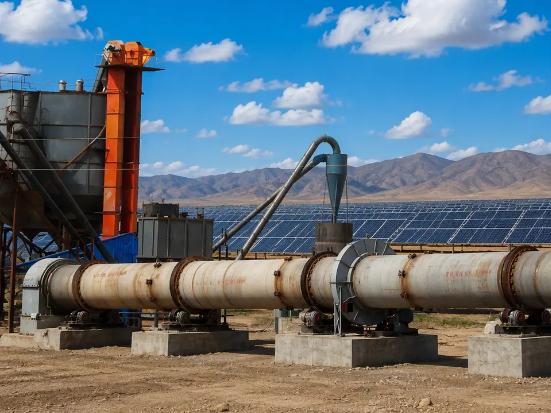
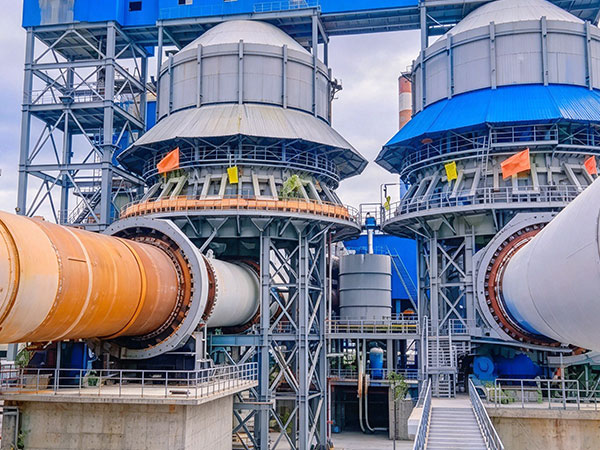
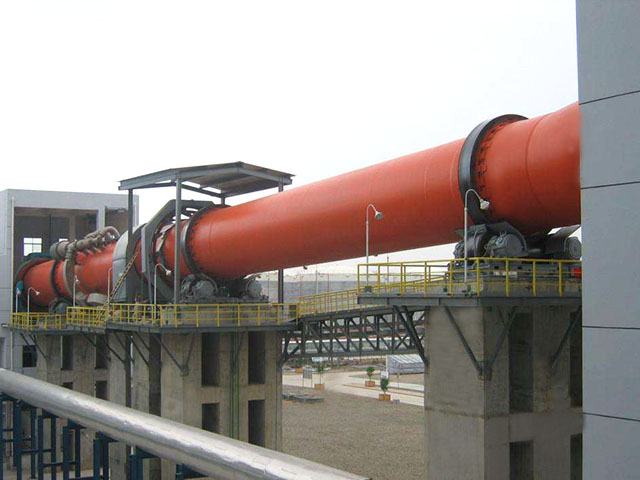
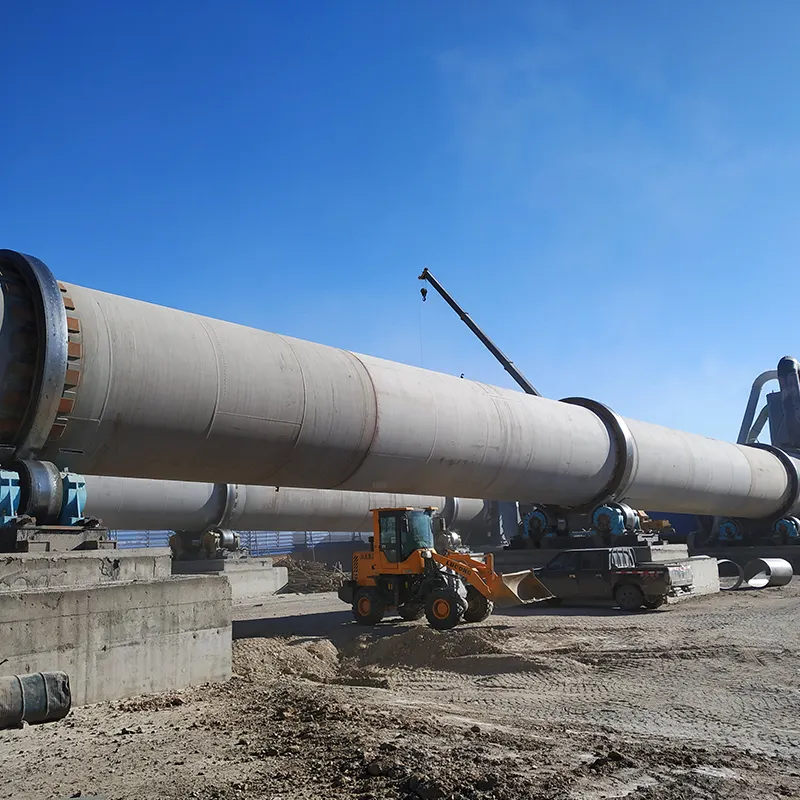
- Rotary Kiln: Provides the thermal processing environment for limestone calcination.
- Lime Cooler: Reduces the temperature of discharged quicklime.
- Conveying System: Transfers limestone and finished quicklime between processing stages.
- Dust Collection System: Collects process dust at designated emission points.
Key Features of the Lime Production Line
Customized Plant Configuration
Equipment selection and plant layout can be tailored to the required output, limestone feed size, raw material characteristics, available fuel, site conditions, and product quality requirements.
Integrated Production Process
Crushing, screening, feeding, calcination, cooling, and conveying equipment can be coordinated as an integrated production system to support continuous plant operation.
Rotary Kiln Calcination
A rotary kiln provides a rotating thermal processing system for limestone calcination. Kiln dimensions, operating conditions, and auxiliary equipment are selected according to the project design and required product characteristics.
Flexible Capacity Planning
Production capacity is determined by the kiln design, feed characteristics, fuel and heat balance, operating conditions, and required quicklime quality. The plant can be planned around the customer's target output.
Optional Environmental Equipment
Dust collectors and other suitable exhaust gas treatment equipment can be incorporated into the plant design according to local emission requirements and process conditions.
Turnkey Production Line Support
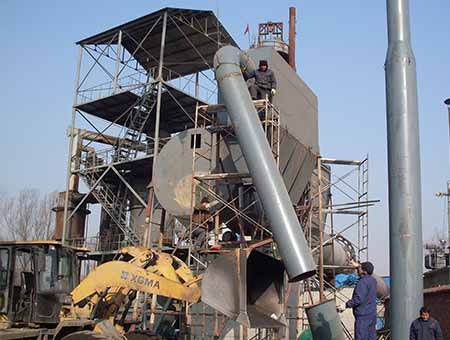
Henan Hongke Heavy Machinery Co., Ltd. can provide equipment manufacturing and project-specific technical coordination for mining machinery and associated production lines. The available engineering, installation, commissioning, and after-sales scope should be confirmed for each project.
Lime Production Line Technical Specifications
The following table provides preliminary selection information for a rotary kiln lime production line. Final technical parameters depend on the approved plant design and equipment configuration.
| Parameter | Specification |
|---|
| Production Line Type | Rotary Kiln Lime Production Line |
| Model | Customized according to project requirements |
| Reference Capacity Range | 50–800 metric tons per day (TPD), subject to verification |
| Raw Material | Limestone (calcium carbonate, CaCO3) |
| Main Product | Quicklime (calcium oxide, CaO) |
| Main Processing Stages | Crushing, screening, feeding, calcination, cooling, conveying, and storage |
| Main Equipment | Crusher, screen, feeding system, rotary kiln, cooler, conveying equipment, and optional dust collection system |
| Fuel Type | Selected according to the kiln design, fuel availability, and project requirements |
| Final Product Quality | Determined by limestone composition, calcination conditions, and customer specifications |
| Plant Layout | Designed according to site conditions and process flow |
| Installation Requirements | Confirmed according to foundation design, equipment layout, utilities, and project scope |
Note: The capacity range above is indicative and must be verified against Henan Hongke's actual equipment capabilities. It is not a guaranteed output for every configuration. Kiln dimensions, installed power, specific fuel consumption, limestone feed size, and other engineering data are available only after the applicable technical configuration has been confirmed.
Applications of Quicklime
Quicklime produced from limestone is used in a variety of industrial processes. Its suitability for each application depends on chemical composition, reactivity, particle size, and customer specifications.
- Steelmaking and Metallurgy: Used as a flux in selected steelmaking and metallurgical processes.
- Building Materials: Used as a raw material in lime-based products and related construction material processes.
- Chemical Processing: Used in chemical manufacturing processes that require calcium oxide.
- Environmental Treatment: Used in suitable flue gas treatment, wastewater treatment, and other environmental applications.
- Mining and Mineral Processing: Used in selected mineral processing operations where lime is required as a process reagent.
How to Select a Suitable Lime Production Line
Selecting a suitable lime plant requires more than choosing a kiln by daily capacity. The following information helps establish an appropriate process and equipment configuration.
- Target Output: Specify the required daily or annual quicklime production.
- Limestone Properties: Provide available chemical analysis, feed size, moisture, and other relevant raw material data.
- Product Requirements: Define the required CaO content, reactivity, residual CO2, and particle size where applicable.
- Fuel and Utilities: Identify available fuel, electricity supply, and other operating resources.
- Site Conditions: Provide the available land area, location, and relevant infrastructure information.
- Environmental Requirements: Identify applicable dust, exhaust gas, and emissions standards.
About Henan Hongke Heavy Machinery Co., Ltd.
Henan Hongke Heavy Machinery Co., Ltd. focuses on one-stop turnkey solutions for mining machinery, including rotary kilns, rotary dryers, ball mills, crushers, and corresponding production lines.
For customers planning a lime production project, equipment selection should be based on the target output, limestone properties, product specifications, fuel conditions, and local environmental requirements. A project-specific proposal can define the process flow, main equipment, auxiliary systems, and technical parameters. We provide overseas installation, commissioning and operator training services for global investors.
Frequently Asked Questions About Lime Production Lines
1. What is a lime production line?
A lime production line is a system that processes limestone into quicklime through preparation, calcination, cooling, and subsequent material handling. A rotary kiln line uses a rotary kiln as the main calcination equipment.
2. What is the main equipment in a rotary kiln lime plant?
Typical equipment includes a crusher, screening equipment, a feeding system, a rotary kiln, a lime cooler, conveying equipment, and suitable dust collection equipment. The final configuration depends on the project's capacity and process requirements.
3. How much limestone is required to produce quicklime?
Limestone consumption depends on its calcium carbonate content, impurities, moisture, calcination efficiency, and the required quicklime quality. A material balance based on representative laboratory data is needed to estimate actual consumption.
4. How is lime production line capacity determined?
Capacity depends on kiln design, limestone properties, feed size, fuel and heat balance, operating conditions, and finished product requirements. The equipment configuration should be checked against the required daily output before a capacity is confirmed.
5. Can a lime production line be customized?
Yes. A project-specific turnkey configuration can be developed according to target capacity, raw material characteristics, fuel availability, plant layout, and product specifications. The scope of customization should be confirmed in the technical proposal.
6. What information is needed for a lime production line quotation?
Provide the target capacity in tons per day, limestone analysis, required quicklime quality, available fuel, project location, site conditions, and any specific environmental requirements. These details help establish a suitable preliminary equipment configuration.
Request a Lime Production Line Proposal
Planning a new quicklime plant or upgrading an existing production line? Contact Henan Hongke Heavy Machinery Co., Ltd. with your target capacity, limestone analysis, required product quality, fuel type, and project location. These details will help determine a suitable rotary kiln lime production line configuration. We deliver full turnkey lime plant projects for Africa, Middle East and Southeast Asia customers.
Recommended inquiry details: Daily capacity, raw material composition, product specifications, fuel availability, project location, and preferred delivery schedule.
Name / Company / Email / WhatsApp / Country / Your Requirement