Sludge Drying Production Line
Sludge Drying Production Line Henan Hongke Heavy Machinery Co., L
 Rotary Kiln
Lime Rotary Kiln
Cement Rotary Kiln
Electrically Heated Rotary Kiln
Magnesium Metal Rotary Kiln
Hazardous Waste Rotary Kiln
Oil Fracturing Proppant Rotary Kiln
Magnesite Rotary Kiln
Coal Gangue Rotary Kiln
Dolomite Rotary Kiln
Aluminum Oxide Rotary Kiln
Zinc Oxide Rotary Kiln
Laterite Nickel Ore Rotary Kiln
Bauxite Rotary Kiln
Kaolin Rotary Kiln
Metallurgical Rotary kiln
Ceramic Sand Kiln
Sponge Iron Rotary Kiln
Rotary Kiln
Lime Rotary Kiln
Cement Rotary Kiln
Electrically Heated Rotary Kiln
Magnesium Metal Rotary Kiln
Hazardous Waste Rotary Kiln
Oil Fracturing Proppant Rotary Kiln
Magnesite Rotary Kiln
Coal Gangue Rotary Kiln
Dolomite Rotary Kiln
Aluminum Oxide Rotary Kiln
Zinc Oxide Rotary Kiln
Laterite Nickel Ore Rotary Kiln
Bauxite Rotary Kiln
Kaolin Rotary Kiln
Metallurgical Rotary kiln
Ceramic Sand Kiln
Sponge Iron Rotary Kiln
 Rotary Dryer
Sludge Dryer
Chicken Manure Dryer
Cow Manure Dryer
Coal Slime Rotary Dryer
Double Drum Rotary Dryer
Sand Dryer
Three Cylinder Dryer
Rotary Dryer
Sludge Dryer
Chicken Manure Dryer
Cow Manure Dryer
Coal Slime Rotary Dryer
Double Drum Rotary Dryer
Sand Dryer
Three Cylinder Dryer
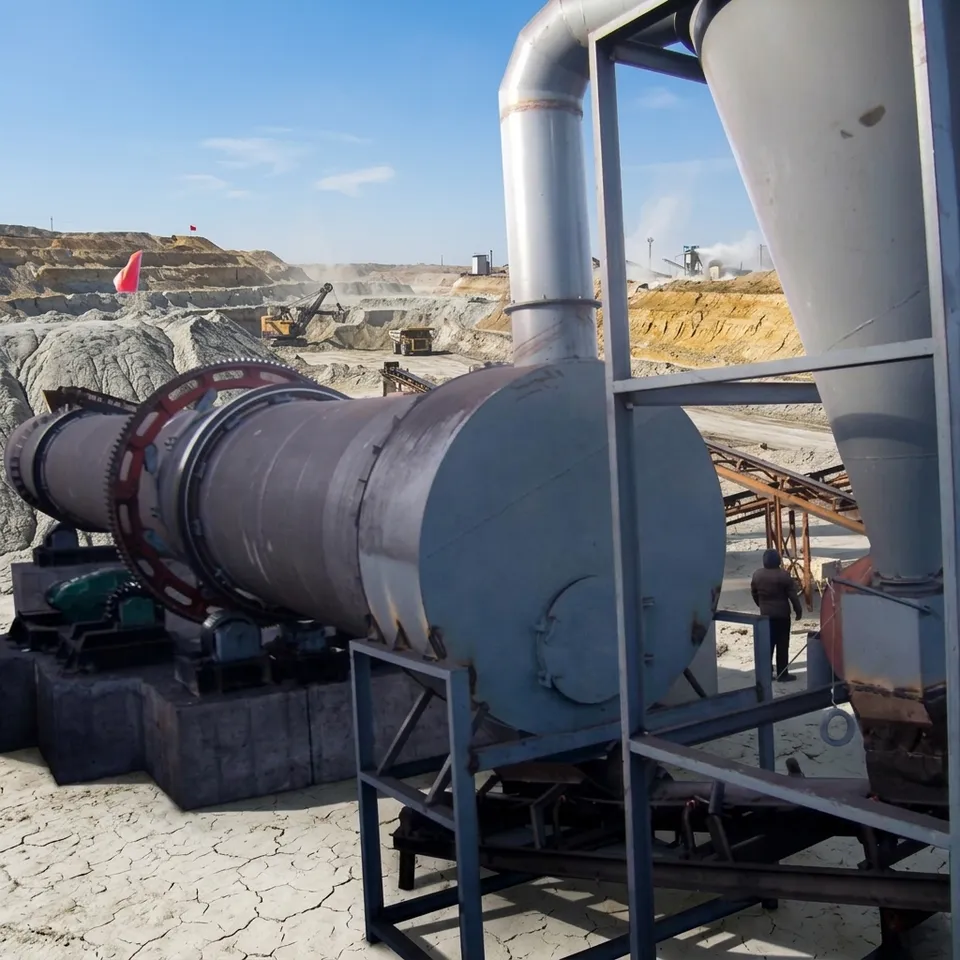
Sludge Drying Production Line Henan Hongke Heavy Machinery Co., L
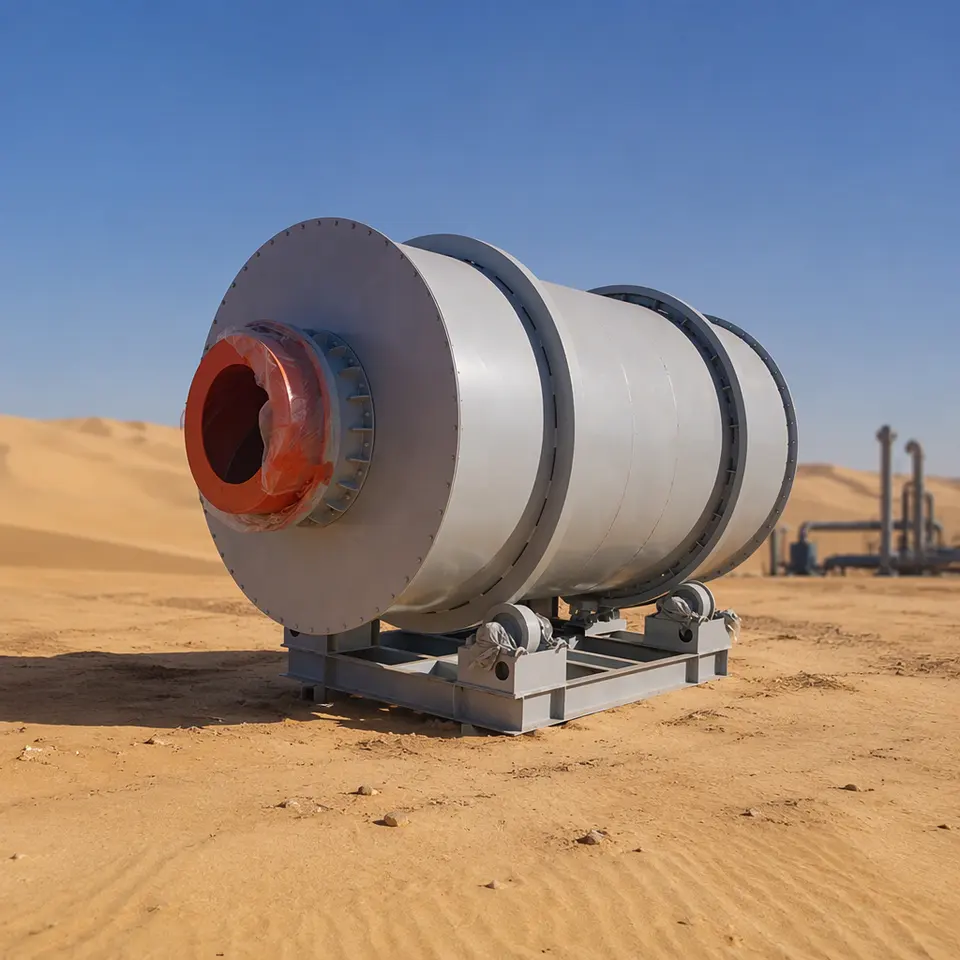
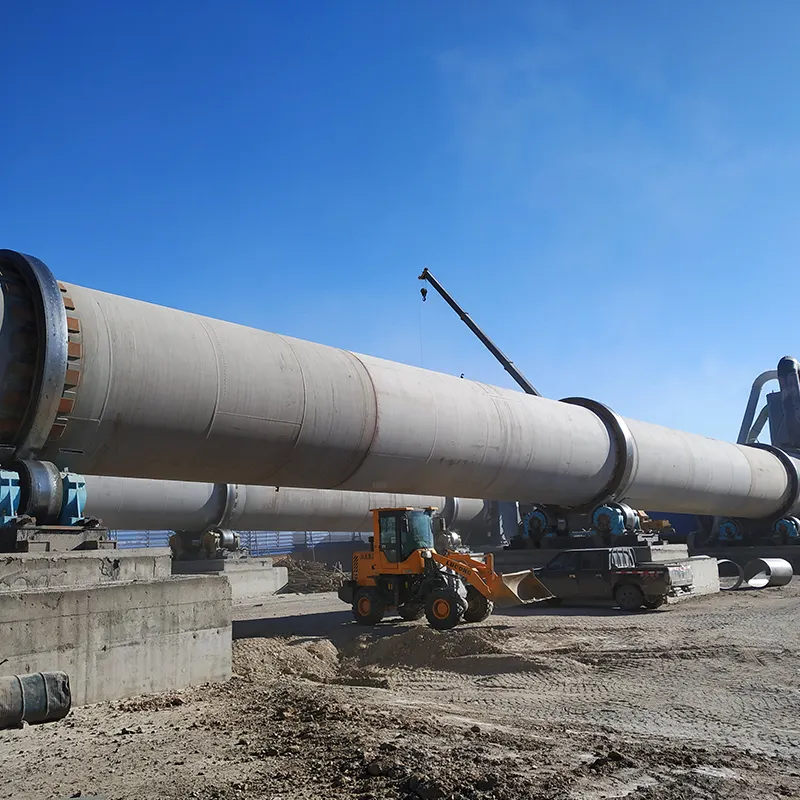
Henan Hongke Heavy Machinery Co., Ltd. provides sludge drying production line solutions featuring rotary dryers for reducing moisture in suitable municipal sludge, industrial sludge, and other compatible sludge materials. The plant configuration is determined by sludge characteristics, feed moisture, required processing capacity, target final moisture, heat source, and environmental requirements.
A sludge drying production line is an industrial system designed to reduce the moisture content of sludge generated by wastewater treatment and selected industrial processes. Drying can reduce the mass and volume of wet sludge and prepare the material for suitable downstream handling, treatment, recovery, or disposal.
Henan Hongke Heavy Machinery Co., Ltd. specializes in mining machinery and integrated production line solutions, including rotary kilns, rotary dryers, ball mills, crushers, and related equipment. For sludge drying applications, a project-specific configuration may include sludge feeding and conditioning equipment, a rotary dryer, a heat source, conveying equipment, dust collection, and exhaust gas treatment systems.
Sludge properties vary significantly according to the source and treatment process. Municipal sewage sludge, industrial sludge, and organic sludge may differ in moisture content, viscosity, organic matter, ash content, corrosiveness, and heat sensitivity. These characteristics must be evaluated before selecting the dryer and auxiliary equipment.
A suitable sludge drying plant is designed around the required wet-feed throughput, initial moisture content, target final moisture content, heat supply, and applicable environmental and product-handling requirements. Actual drying performance must be established through engineering calculations and, where appropriate, representative material testing.
A typical sludge drying process includes feed preparation, controlled feeding, thermal drying, dried material discharge, and treatment of process dust and exhaust gas. The exact process flow depends on sludge properties and the intended downstream handling or treatment route.
The final process design should define the sludge feed condition, target moisture reduction, heat source, exhaust gas treatment, odor control, and the requirements for handling the dried product.
A sludge drying plant combines material feeding, thermal drying, conveying, and environmental control equipment. The required configuration depends on the sludge source, moisture content, process capacity, and downstream management requirements.
The production line is configured according to wet-sludge throughput, initial moisture content, target final moisture, sludge properties, and heat supply. The required evaporation capacity should be calculated before equipment selection.
Reducing sludge moisture can lower the mass and volume of material requiring transport or subsequent processing. The actual reduction depends on the initial and final moisture contents and the solids content of the feed.
A rotary dryer provides a rotating thermal processing system for compatible sludge materials. Its suitability depends on sludge consistency, stickiness, particle characteristics, thermal behavior, and the required process conditions.
Where appropriate, mechanical dewatering can be considered before thermal drying. Removing part of the water mechanically may reduce the evaporation load, although the benefit depends on sludge dewaterability, equipment performance, and operating costs.
Suitable dust collection and exhaust gas treatment equipment can be incorporated into the plant. The system should be selected according to the sludge composition, exhaust characteristics, odor potential, and applicable emission requirements.
The dried sludge handling system can be configured for storage, conveying, screening, packaging, or transfer to a subsequent treatment process, depending on the material characteristics and approved destination.
Henan Hongke Heavy Machinery Co., Ltd. provides mining machinery and associated production line solutions. The scope of sludge drying equipment, auxiliary systems, engineering coordination, installation guidance, and other services should be confirmed for each project.
The following table outlines the main parameters used when selecting a sludge drying production line. Actual values must be confirmed through project-specific engineering and representative sludge testing where necessary.
| Parameter | Specification |
|---|---|
| Production Line Type | Rotary Dryer Sludge Drying Production Line |
| Model | Customized according to project requirements |
| Processing Capacity | Project-specific; confirm wet-feed or dried-product basis |
| Raw Material | Suitable Municipal Sludge, Industrial Sludge, and Other Compatible Sludge Materials |
| Main Equipment | Feeding System, Rotary Dryer, Heat Supply System, Conveying Equipment, Dust Collection, and Exhaust Gas Treatment Equipment as required |
| Initial Moisture Content | To be determined by representative feed analysis |
| Target Final Moisture Content | Specified according to the intended downstream process |
| Dry Solids Content | Determined by sludge source and feed analysis |
| Drying Method | Rotary Drum Thermal Drying, subject to material suitability |
| Heat Source | Selected according to dryer design, available fuel, and project conditions |
| Evaporation Capacity | Calculated from feed rate and moisture reduction requirements |
| Installed Power | Confirmed according to the final equipment configuration |
| Dust Collection | Selected according to dust loading, gas conditions, and environmental requirements |
| Exhaust Gas Treatment | Configured according to sludge composition, exhaust characteristics, and local regulations |
| Plant Layout | Designed according to site conditions and process flow |
| Control System | Selected according to project automation requirements |
Technical note: Processing capacity, evaporation capacity, installed power, fuel consumption, and final moisture content cannot be specified reliably without defining the sludge type and operating conditions. Wet-feed throughput must be distinguished from dried-product throughput. Final specifications and any performance guarantees must be established in the approved technical proposal.
Sludge drying can be used as a moisture reduction step in wastewater treatment, selected industrial waste management processes, and resource recovery systems. The appropriate downstream route depends on sludge composition, contaminant levels, local regulations, and the receiving facility's acceptance criteria.
Drying does not by itself remove all contaminants, sterilize sludge, or establish that the dried product is suitable for agricultural use, fuel production, or unrestricted disposal. These decisions require appropriate testing and regulatory assessment.
Selecting a suitable sludge drying plant requires detailed information about the sludge, moisture reduction target, energy supply, and environmental requirements. The following information supports preliminary equipment selection.
Henan Hongke Heavy Machinery Co., Ltd. focuses on one-stop solutions for mining machinery, including rotary kilns, rotary dryers, ball mills, crushers, and corresponding production lines.
For sludge drying projects, equipment selection should be based on sludge characteristics, feed rate, initial and target moisture content, heat source, exhaust gas treatment requirements, and the intended downstream handling route.
A project-specific technical proposal can define the rotary dryer configuration, feeding and conveying equipment, heat supply, dust collection, and other required auxiliary systems. The available engineering scope and project services should be confirmed for each application.
A sludge drying production line is a system that reduces moisture in suitable sludge using thermal drying and associated material handling equipment. A typical line includes a feeding system, dryer, heat source, conveying equipment, and suitable dust and exhaust gas treatment.
A rotary dryer may be suitable for certain municipal, industrial, or organic sludge materials, depending on their physical and chemical characteristics. Sludge stickiness, moisture, solids content, corrosiveness, and thermal behavior should be assessed before equipment selection.
Capacity depends on wet-feed throughput, initial moisture, target final moisture, sludge characteristics, heat input, and operating conditions. Engineering calculations should distinguish wet sludge feed from dried-product output and determine the required evaporation capacity.
Initial moisture content determines how much water must be removed to reach the target final moisture. Two sludge materials with the same wet-feed rate can require significantly different drying capacities if their moisture contents differ.
Yes, where the sludge is suitable for mechanical dewatering. Removing part of the water before thermal drying may reduce the evaporation load. The overall benefit depends on dewatering performance, equipment costs, and operating conditions.
Depending on sludge composition and local requirements, the plant may need dust collection, exhaust gas treatment, odor control, and monitoring provisions. The required system should be determined from the expected exhaust characteristics and applicable regulations.
Not automatically. Potential reuse depends on the sludge composition, contaminant levels, applicable standards, and the requirements of the receiving facility. Drying reduces moisture but does not by itself establish product safety or regulatory suitability.
Provide the sludge source, wet-feed rate, initial moisture, target final moisture, solids content, available heat source, project location, and environmental requirements. Relevant laboratory analyses and representative material testing can help establish a suitable preliminary configuration.
Planning a sludge drying project? Contact Henan Hongke Heavy Machinery Co., Ltd. with your sludge source, required processing capacity, initial and target moisture content, available heat source, and project location.
These details help determine the preliminary rotary dryer configuration, required evaporation capacity, auxiliary equipment, and environmental control measures.
Recommended inquiry details: Sludge type, wet-feed throughput, initial moisture, target final moisture, solids content, heat source, exhaust treatment requirements, and project location.
- Send Us Your Equipment Demand -